
A Straw-Man Plan for Doing Good Better
How to make a cultural shift that leads better outcomes.
Innovative public sector policies and programs (more)
How to make a cultural shift that leads better outcomes.
Human capital can either be an unanticipated barrier to success or an effective catalyst for achieving it.
Behavioral experts agree that so-called "games for good" can teach empathy to those who play them.
Real change only occurs when people, and the institutions we collectively form, restructure to make better use of new technology.

Making environmental sustainability stick is requiring the cooperation of the for-profit and nonprofit sectors. In this audio interview, Stanford Center for Social Innovation correspondent Ashkon Jafari interviews Ceres president Mindy Lubber about how her organization brings together investors, government, human rights groups, and others to build a cross-sector voice for sustainability.

Scaling requires not only fidelity to core processes and programs, but also constant adjustments to local needs and resources.
New public-private partnerships have led to big leaps in the exportation of Argentinian wine.

A PARADISE BUILT IN HELL: The Extraordinary Communities That Arise in Disaster by Rebecca Solnit
GOD’S ECONOMY: Faith-Based Initiatives and the Caring State by Lew Daly
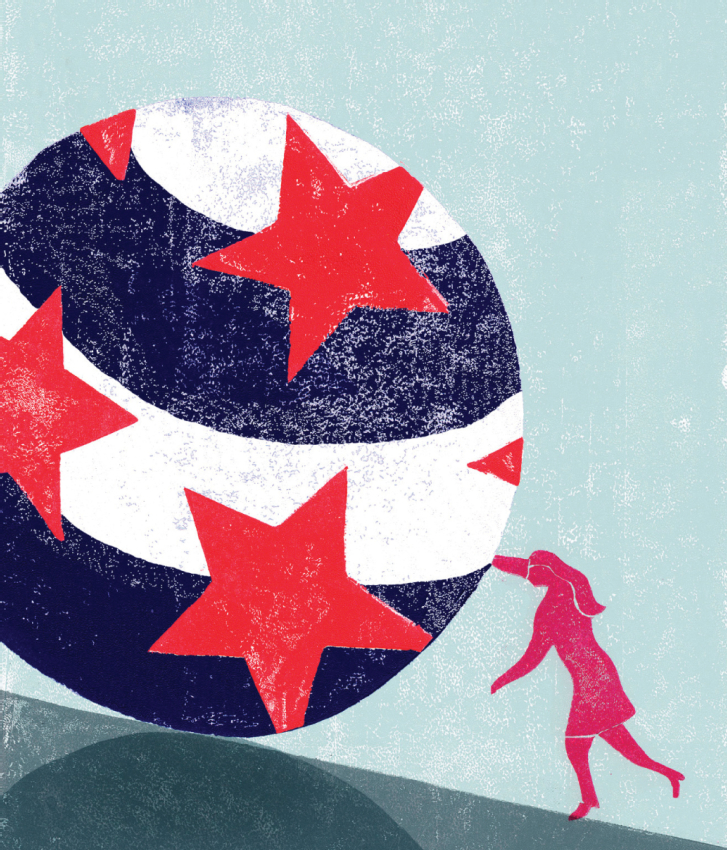
What it takes to make change in the U.S. State Department.